Road-Cycling Warm-Up: When You Need One and What to Do
An easy spin and a structured warm-up serve different purposes, especially when temperature, intensity, and time change. I’ll help you decide when you need extra preparation and build a short routine that fits your next road ride.
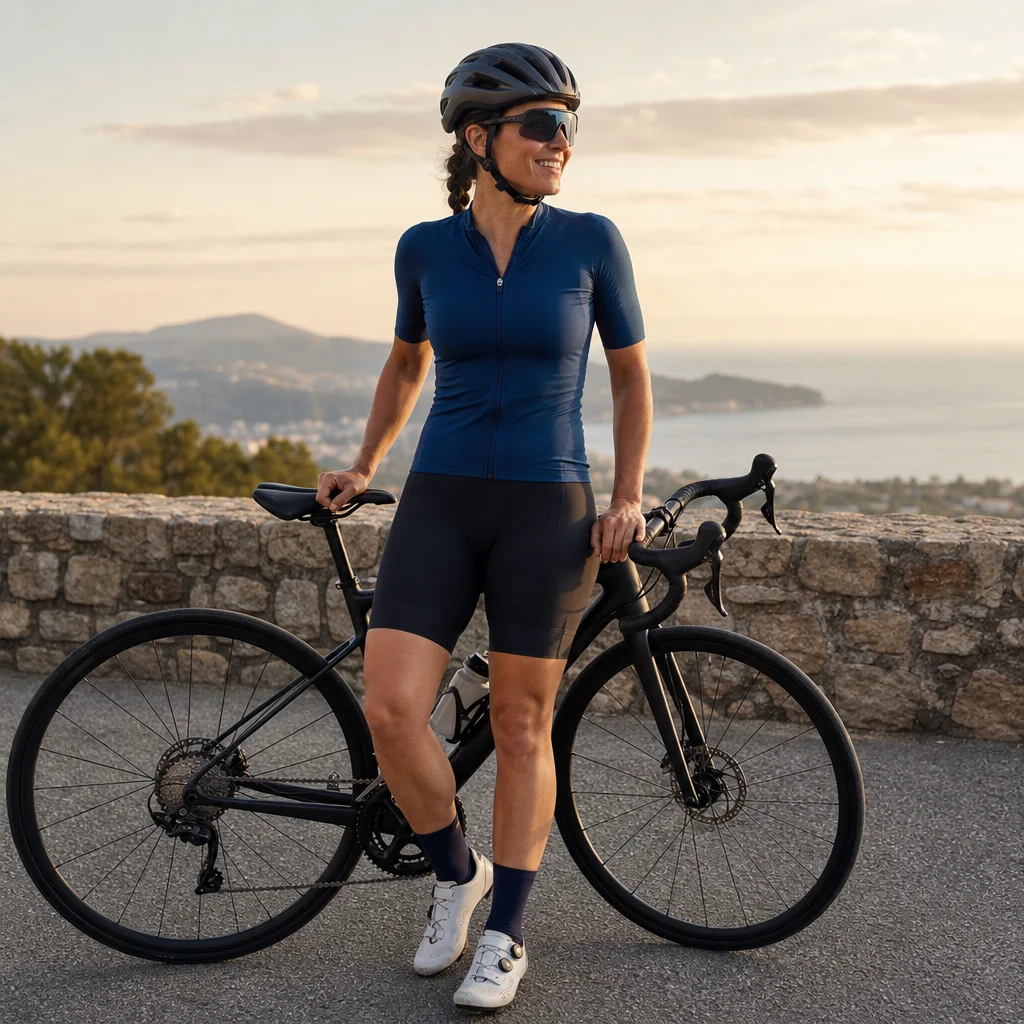
A warm-up doesn’t need to turn every ride into a training session. For an easy outing, a few relaxed minutes on the bike may be enough; for intervals, hills, or a fast group ride, more deliberate preparation can help you start smoothly instead of forcing your body to catch up.
The useful question isn't “Do I always need a warm-up?” It’s “What will the first part of this ride ask me to do?”
When a short warm-up is enough
For a comfortable endurance ride on mostly familiar roads, you can usually warm up by starting gently and allowing your effort to build naturally. Ride at an easy pace for roughly 10 to 15 minutes before settling into your planned rhythm.
Keep your cadence comfortable and your breathing controlled. You should be able to speak in complete sentences. Avoid turning the opening kilometres into a test of fitness; the purpose is to transition from rest to riding, not to prove that you’re ready for more speed.
A short rolling warm-up works well when:
- The ride will stay mostly easy or moderate.
- The route begins with gentle terrain.
- You have no demanding intervals, sprinting, or steep climb planned early.
- You already feel reasonably mobile and comfortable.
- Time is limited.
If your first kilometre includes a busy junction, narrow road, or technical descent, give yourself enough easy riding time to feel alert and coordinated before reaching it. A warm-up isn't only about muscles. It also gives you a moment to settle your position, check your brakes and shifting, and become attentive to traffic and road conditions.
When you should warm up more deliberately
A longer or more structured warm-up is useful when the ride begins with a high demand. That includes interval workouts, hard climbs, time trials, fast group rides, races, and events where you’ll need to respond quickly from the start.
These efforts ask for more than steady pedalling. You may need to produce force, change cadence rapidly, hold a firm position in a group, or move from easy riding to hard effort with little notice. Starting cold can make the first hard section feel unnecessarily abrupt and may affect how well you perform the rest of the session.
You should also consider extra preparation when:
- You’ve been sitting for a long time before riding.
- The start is cold, windy, or damp.
- You feel stiff after travel or a previous training day.
- The route immediately climbs or becomes fast.
- The workout includes short, hard efforts.
A warm-up won’t remove every uncomfortable sensation, and it shouldn’t be used to push through pain. If a joint, tendon, or muscle hurts in a way that changes your pedalling, stop and assess the problem rather than trying to ride through it.
A minimalist warm-up for most rides
When you have 10 to 15 minutes, use this simple progression. It requires no equipment beyond your bike and can be adapted to nearly any road ride.
1. Start very easily for five minutes
Use a light gear and let your cadence find a natural rhythm. Keep your hands relaxed, shoulders down, and grip light. Focus on smooth pedalling rather than speed.
This first section should feel almost too easy. That’s useful. It lets you notice whether your legs, back, hands, and knees feel normal before you add effort.
2. Ride steadily for another five minutes
Increase your effort to an easy endurance pace. You should still be able to talk comfortably, but you’ll feel more connected to the bike and more prepared to maintain your planned pace.
Use this time to check your position. Make small adjustments to hand placement, clothing, bottle access, or saddle comfort before the ride becomes demanding.
3. Add two or three brief pickups
If the ride will include moderate or hard efforts, add two or three pickups of about 20 to 30 seconds. Increase your cadence and effort smoothly, but don’t sprint. Return to an easy pace for at least a minute between them.
These pickups should feel controlled. Their role is to introduce a little more speed and force, not to create fatigue before the main workout.
For an easy ride, you can skip this final step. For a structured session, it provides a useful bridge between gentle riding and the work ahead.
Warm-ups for interval sessions
Interval workouts benefit from a warm-up that matches the demands of the session without becoming a workout of its own. Allow about 15 to 25 minutes when your schedule permits.
Start with 10 minutes of easy riding, then gradually move toward your normal endurance effort. After that, include a few short efforts related to the session:
- For short, hard intervals, use two or three brief accelerations with generous easy recovery.
- For sustained threshold-style efforts, add one or two controlled efforts lasting a few minutes, stopping well before you feel spent.
- For climbing work, include a short period of firmer seated pedalling if the terrain allows.
- For cadence-focused training, add a few brief high-cadence sections while keeping your effort moderate.
The exact warm-up should leave you ready, not tired. If your legs feel heavy, your breathing is laboured, or you’re already counting down to the end, reduce the number or length of the preparatory efforts.
Your planned workout matters, but so does the route. Don’t perform hard pickups near traffic, blind corners, wet surfaces, or complicated intersections. Find a quiet, predictable section of road or save the harder efforts for a suitable part of the ride.
Preparing for a group ride
A group ride can start gently, or it can become demanding immediately. If you don’t know the group’s pace or route, prepare for a faster opening than you’d choose on a solo endurance ride.
Arrive early enough to check your bike, use the restroom, fill bottles, and ride easily for several minutes. Add a couple of controlled pickups if the group is known to move quickly. You don’t need to exhaust yourself before the ride begins; you want to avoid joining the group with stiff legs and no margin for adjustment.
Once the group rolls out, protect your energy. Stay smooth rather than chasing every acceleration. If the pace is above what you expected, communicate early and choose a safe position rather than repeatedly riding above your limits.
A warm-up can improve readiness, but it can’t compensate for a group that is consistently too fast for your current fitness or experience.
Cold-weather starts need more time
Cold conditions can make your first few minutes feel harsh, particularly if you begin with a high effort. Start more gently than usual and extend the easy portion of your ride. Keep your core and hands warm enough that you can control the bike and operate its brakes and shifting normally.
You may need to ride indoors briefly, walk around, or do a few easy mobility movements before heading out if you’ve been stationary in a cold environment. Keep these movements comfortable and controlled. You don’t need an elaborate stretching routine.
Avoid treating static stretching as a substitute for riding gradually. Long, forceful stretches immediately before hard cycling aren’t necessary for most riders and can be uncomfortable when your body is still cold. Easy movement and progressive riding are the main priorities.
Check your cold-start conditions: Before leaving, consider the temperature, wind, precipitation, visibility, and road surface. Choose clothing and an opening pace that let you brake, steer, and adjust your effort comfortably if conditions are worse than expected.
What to do when you have only five minutes
A limited schedule doesn’t mean you have to choose between no preparation and a long routine. Use the ride itself as the warm-up, but make the first section deliberately easy.
For a five-minute minimum:
- Start in a light gear and pedal gently for two minutes.
- Ride at an easy, steady effort for two minutes.
- Add one brief, controlled increase in cadence or effort before returning to your planned pace.
If the session includes very hard intervals, a five-minute warm-up may not be ideal. Consider shortening the workout, delaying the intense work until you’ve had more easy riding, or completing the session indoors if that’s practical. Hard efforts deserve a suitable runway.
Common warm-up mistakes
Starting too hard
A fast opening can feel exciting, especially in a group, but it often turns the warm-up into an early fitness test. Begin below your target effort and build gradually.
Making the warm-up exhausting
Sweating heavily or accumulating fatigue before the main session defeats the purpose. Keep preparatory efforts short and recover fully between them.
Using the same routine for every ride
An easy Sunday ride, a hill-repeat workout, and a cold group start don’t have identical demands. Match your preparation to the first hard task you’ll face.
Ignoring your response that day
Sleep, stress, temperature, and recent training can all affect how you feel. If your normal warm-up feels unusually difficult, reduce the planned intensity or turn the ride into an easier session.
A simple decision checklist
Use these questions before you roll out:
- Is the ride easy from the beginning? Start gently and let the first 10 to 15 minutes provide most of the warm-up.
- Does the route or workout begin hard? Allow more time and include a few controlled pickups.
- Is it cold or are you stiff? Extend the easy section and dress for control, not just comfort while standing still.
- Are you joining a fast or unfamiliar group? Arrive early, ride easily beforehand, and avoid starting already fatigued.
- Do you have only a few minutes? Keep the opening pace very easy and delay hard efforts until you’ve had enough gradual movement.
The minimalist approach is simple: begin below your target effort, build progressively, and stop the warm-up before it becomes tiring. For most recreational rides, that’s enough. Save the longer routine for sessions that genuinely demand it, and let the first part of every ride give you useful information about how your body and your bike feel that day.