How to Return to Cycling After Two Weeks Off
I’ll compare the safest ways to restart after two weeks away, from an easy spin to a gradual return to normal training, so you can rebuild rhythm without cramming missed miles into one demanding weekend.
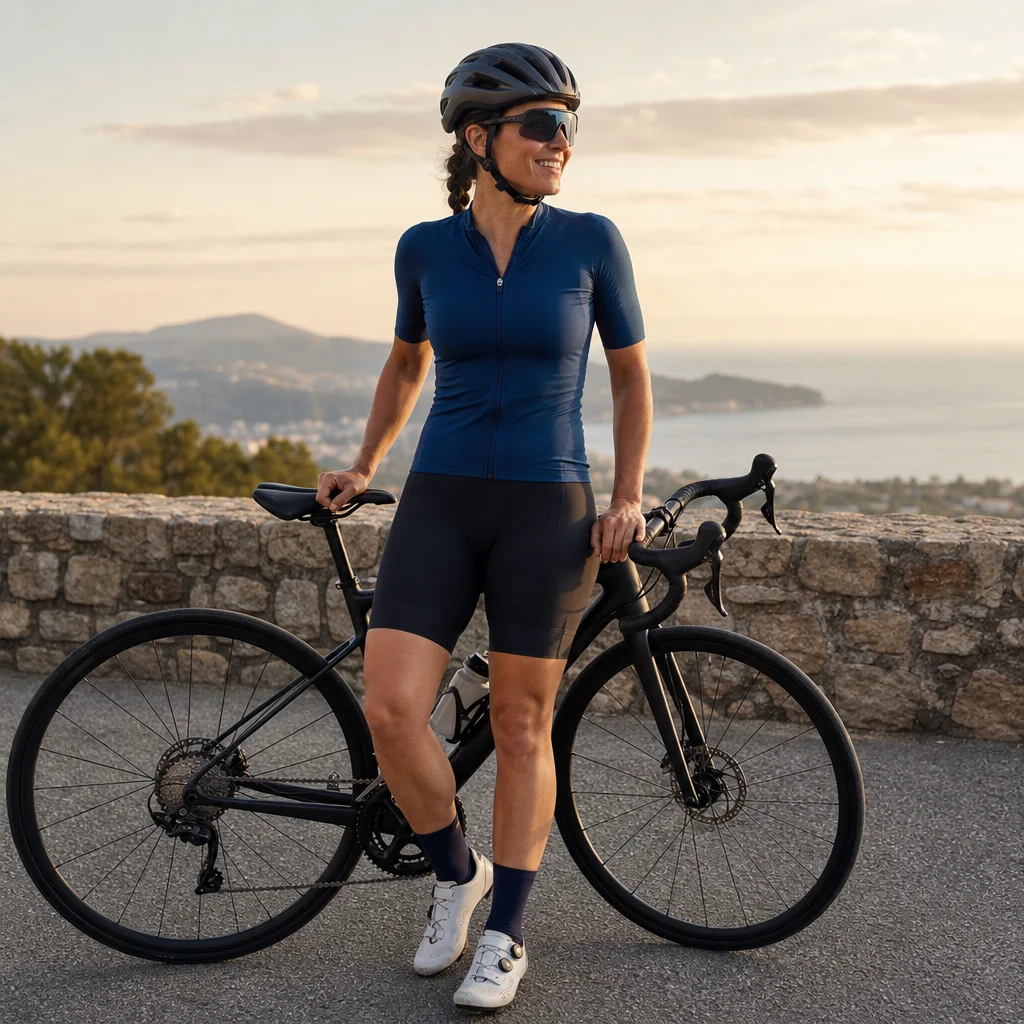
Two weeks away from the bike can make an ordinary ride feel unfamiliar. You may remember your usual pace, route, and distance, but your first ride back still deserves to be treated as a re-entry—not a test of whether your fitness disappeared.
The safest approach is to restore routine before intensity. For most recreational riders, that means starting with an easy, controlled ride, checking how your body responds, and adding time or effort gradually. You don’t need to “make up” the rides you missed.
Choose your return approach
Your best restart depends on why you stopped, how demanding your normal riding is, and how you feel today.
The easy-spin approach
Choose an easy spin if you took time off because of travel, a busy schedule, poor weather, or simple loss of motivation. This is usually the most useful option when you feel healthy and have no lingering pain.
Ride for roughly 30 to 60 minutes at a pace that lets you speak in complete sentences. Keep the route familiar and reasonably flat if possible. Use a comfortable gear, avoid chasing speed, and finish while you still feel you could continue.
This ride is less about training effect than information. You’re checking how your legs, back, hands, breathing, and position respond after time away.
The gradual-return approach
Use a more cautious progression if your usual rides are long, hilly, fast, or structured around intervals. Your cardiovascular fitness may feel fine while your muscles, connective tissues, and contact points are less prepared for sustained loading.
Start below your normal duration and leave out hard efforts for the first ride or two. You can then increase one element at a time: duration, climbing, pace, or intensity. Keeping the other elements stable makes it easier to identify what causes fatigue or discomfort.
The recovery-first approach
If you stopped because of illness, injury, unusual fatigue, or a medical procedure, don’t use a calendar alone to decide when to resume. Returning after being symptom-free is different from returning while symptoms are fading.
For ongoing pain, chest symptoms, unexplained shortness of breath, dizziness, fever, or significant weakness, seek appropriate medical advice before riding. If you were given specific return-to-activity instructions, follow those rather than a general cycling plan.
Check your restart conditions: Before leaving, confirm that you feel well enough for light exercise, your bike is safe to ride, and the weather, daylight, and route conditions match an easy first outing.
Prepare the bike before you prepare your legs
A short break doesn’t automatically create a mechanical problem, but a bike that has been sitting can still need a quick inspection. A preventable equipment issue is a poor way to end your first ride back.
Check the following:
- Inflate the tires to a pressure appropriate for your tire size, rider weight, and riding surface.
- Look for cuts, cracks, bulges, or an unusually soft tire.
- Squeeze the brake levers and confirm that braking feels firm and controlled.
- Make sure the wheels are seated correctly and quick releases or thru-axles are secure.
- Shift through several gears while the bike is stationary or during a brief test ride.
- Check that the chain is reasonably clean and lubricated.
- Confirm that lights, reflectors, bottles, phone, and repair supplies are ready for the route.
You don’t need a full workshop session for every return ride. You do need enough confidence that the bike will stop, steer, and roll properly.
Make the first ride deliberately easy
The first few minutes should feel almost too gentle. Start with light pedaling and let your breathing settle before gradually moving toward your normal easy-ride rhythm.
Stay seated for most of the ride, especially on hills. Standing briefly is fine, but extended climbing out of the saddle can increase the demand on muscles that haven’t handled your usual workload recently.
Use effort rather than speed as your main guide. Wind, temperature, traffic, tire pressure, and route conditions can make the same speed feel very different. A relaxed effort is more useful than trying to match an old average speed.
Keep the route simple. A familiar loop with several options to shorten the ride is better than a remote, ambitious route for your first outing. If you start feeling unusually tired, you can turn back without creating a logistical problem.
Pay attention to the right signals
Normal signs of returning to activity can include mild leg heaviness, a slightly elevated sense of effort, or stiffness that eases as you warm up. These should remain manageable and shouldn’t substantially alter your pedaling or posture.
Pain that changes how you move deserves more attention. So do sharp pain, worsening joint pain, numbness, persistent tingling, unusual breathlessness, light-headedness, or symptoms that continue to intensify after you slow down. Stop if necessary and address the problem rather than trying to complete a planned distance.
Your response later that day and the following morning also matters. If you’re unusually exhausted, sore in a way that affects normal movement, or unable to recover by your next planned activity, the ride was probably too long or too hard for the restart.
Build back in small steps
After a comfortable first ride, resist the urge to jump immediately to your previous longest route. A simple progression might look like this:
- First ride: Easy effort, shorter duration, familiar route.
- Second ride: Similar effort, adding a modest amount of time if you recovered well.
- Third ride: Normal easy riding, perhaps with gentle hills, but still no need for hard intervals.
- Following rides: Reintroduce longer distance or structured intensity one at a time.
There’s no required number of days for this process. Some riders can return to normal easy riding within a few outings; others need longer because the break followed illness, stress, poor sleep, or a demanding period of work.
A useful rule is to change only one major variable at a time. If you add distance, keep the pace easy. If you bring back hills, keep the ride short. If you want to resume intervals, first establish that easy riding feels normal again.
Don’t try to recover missed training
Missed rides are already behind you. Adding extra distance, stacking hard sessions, or riding every available day usually creates more fatigue than fitness.
The common mistake is to treat the first weekend back as a deadline. A rider misses two weeks, plans a long Saturday ride, adds a fast group ride on Sunday, and then spends the next several days recovering. That approach replaces a short interruption with a longer one.
Instead, think in terms of rhythm. Two or three manageable rides spread across a week will usually do more for consistency than one punishing effort. Your goal is to make the next ride likely, not to prove that the break had no effect.
Adjust your usual setup if it feels wrong
A break can make small fit problems more noticeable. You may have changed shoes, clothing, saddle position, or riding habits without realizing it. You may also be more sensitive to pressure on your hands, neck, or lower back after time away.
Make minor comfort adjustments, but avoid changing several things at once. If you raise the saddle, alter the handlebar position, and switch shoes during the same return period, it becomes difficult to identify what helped or caused a new problem.
Persistent discomfort isn’t something you need to accept as part of getting back on the bike. Check basic fit and equipment first; if the issue continues, consider advice from a qualified bike fitter or health professional.
A short return checklist
Before your first ride back, ask:
- Am I returning from a normal scheduling break, or from illness or injury?
- Can I choose a route with easy options to shorten or turn back?
- Is my bike ready, including tires, brakes, drivetrain, and basic repair gear?
- Can I keep the first ride easy without chasing my old speed?
- What symptoms would make me stop?
- Have I left enough recovery time before the next ride?
Two weeks off doesn’t require a dramatic training reset. It does call for a little restraint. Start with an easy ride, use your response as feedback, and restore duration and intensity separately. Once riding feels routine again, your normal training can return without the unnecessary cost of trying to win back every missed mile at once.