How to Plan a Spring Ride When Pollen Is a Problem
I’ll help you plan a spring ride around pollen levels, heat, wind, changing road conditions, and allergy symptoms. You’ll learn how to choose a better start time and route, handle medication questions safely, and make post-ride cleanup part of the plan.
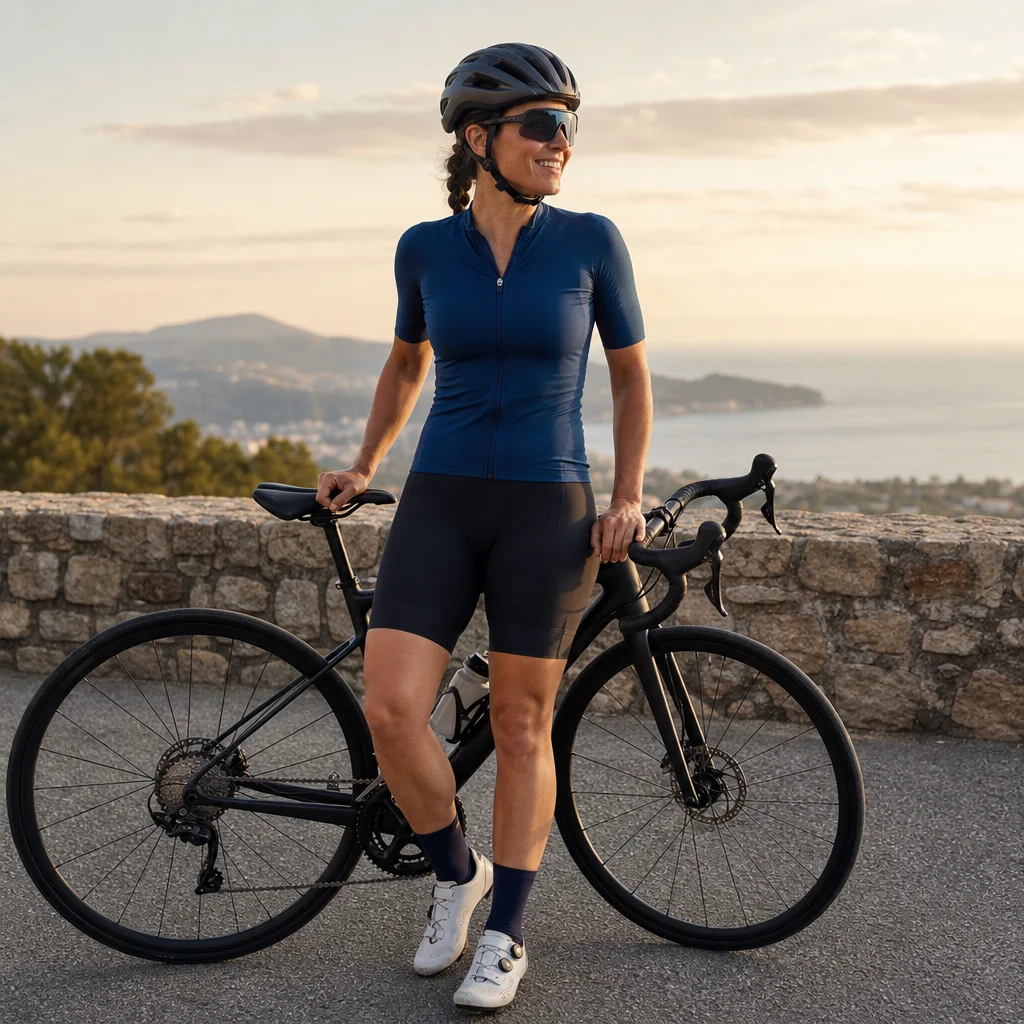
Spring riding can be enjoyable until a route that looked perfect leaves you congested, itchy-eyed, or too tired to finish comfortably. Seasonal allergies add another planning variable, especially in the southern and eastern United States, where tree and grass pollen can overlap with warm temperatures, humidity, and fast-changing weather.
You don't need to avoid riding whenever pollen is present. The better approach is to reduce your exposure where you can, leave room to change plans, and recognize when symptoms make riding a poor choice.
Start with the conditions, not just the temperature
A mild forecast doesn't necessarily mean a good allergy day. Check several pieces of information before you choose a route and departure time:
- Pollen conditions: Look for the dominant pollen type and the expected level during your planned ride. Tree pollen is often a major factor early in spring, while grass pollen can become more important later. Local conditions can vary substantially between a city, a wooded suburb, and open farmland.
- Wind: Wind can carry pollen and stir it from roadside vegetation. A breezy day may be less comfortable than a warmer, calmer day, even if the temperature looks ideal.
- Humidity and heat: Warm, humid conditions can make breathing feel harder and can increase fatigue. They also make it more difficult to tell whether discomfort comes from allergies, overheating, or both.
- Rain and storms: Rain may temporarily reduce airborne pollen, but a wet ride can create slick surfaces, poor visibility, puddles, and debris. Thunderstorms and gusty winds deserve more weight than a lower pollen reading.
- Air quality: Smoke, ozone, and other pollutants can aggravate respiratory symptoms independently of pollen. Check an air-quality source as well as an allergy forecast if you have asthma or sensitive airways.
Check the morning’s riding window: Compare the latest pollen, weather, radar, and air-quality information with your planned start and finish times. Forecasts can change, so give yourself permission to shorten or postpone the ride if wind, storms, heat, or air quality deteriorate.
Pollen forecasts are useful for planning, not a guarantee of how you'll feel. Your symptoms may reflect indoor exposure from the previous day, poor sleep, or several irritants at once. Treat the forecast as one input rather than a promise of a symptom-free ride.
Choose a route that limits exposure
Route selection can have as much effect as start time. A quiet road through dense vegetation may be attractive, but it can expose you to more pollen than a route through developed areas with fewer flowering trees and less roadside growth.
For an allergy-sensitive ride, look for:
- paved roads with regular maintenance and fewer overgrown shoulders;
- open, well-drained sections rather than damp, heavily vegetated paths;
- loops or out-and-back routes with easy bailout points;
- places where you can stop for water, shade, or shelter;
- less traffic if you need to ride at a controlled pace because symptoms are distracting.
This doesn't mean every wooded road is a bad choice. Dense tree cover may provide useful shade, and a quiet route can reduce stress. The practical question is whether the route's benefits outweigh its likely exposure and escape options on that particular day.
Avoid planning your longest ride deep into unfamiliar terrain when symptoms are already active. A shorter loop near home gives you more choices if your eyes begin watering, your nose becomes blocked, or your breathing feels different.
Be careful with roadside vegetation and farm areas
Pollen exposure can be especially noticeable around flowering trees, cut grass, fields, and unmowed verges. You may not be able to identify the plant responsible, and you don't need to. If one stretch reliably triggers symptoms, change the route or ride through it briefly rather than assuming you should push on.
Construction zones and dry shoulders create a different problem: dust and fine particles. They may irritate your nose and airways even when pollen levels are moderate. Give yourself extra distance from traffic and avoid following vehicles closely on dusty roads.
Pick a start time that fits your symptoms
There is no universal “best” pollen time for every location. Pollen release and dispersal depend on the plant, weather, wind, and local landscape. Instead of relying on a fixed rule, compare the forecasted conditions across the hours you could ride.
A useful planning method is to build three options:
- Preferred window: The time with the most favorable combination of pollen, temperature, wind, and air quality.
- Short-ride window: A later or earlier period that works for an easy local loop if conditions are acceptable but not ideal.
- No-ride trigger: Conditions that move the plan indoors or to another day, such as a storm threat, unhealthy air, severe heat, or symptoms that are already difficult to control.
This approach prevents the common mistake of treating the original start time as a commitment. If your planned morning becomes windy and uncomfortable, a shorter ride later may be sensible. If heat and air quality worsen through the day, riding early may be preferable. Let the combined conditions guide the decision.
Handle medication questions cautiously
Medication can affect both allergy symptoms and riding safety, but the right choice depends on your health, the product, the dose, and what else you take. Some antihistamines can cause drowsiness or slower reactions. Some combination products contain decongestants that may affect heart rate, blood pressure, sleep, or how you tolerate heat.
Don't test a new medication for the first time on a long or remote ride. Ask a pharmacist or clinician how a product may affect alertness, exercise, hydration, heart rate, blood pressure, and any existing conditions. Follow the product label and your prescriber's directions rather than changing a dose to fit a ride.
Confirm your medication plan: Before a longer spring ride, ask a pharmacist or clinician whether your allergy medicine is appropriate for exercise and whether drowsiness, stimulant effects, or interactions could affect cycling. Check the current label because formulations and warnings can differ.
If you use a prescribed inhaler or other treatment for asthma, carry it according to your clinician's instructions. Know your personal warning signs and don't try to ride through worsening wheezing, chest tightness, unusual shortness of breath, dizziness, or faintness. Stop in a safe place and seek appropriate medical help if symptoms are severe, sudden, or don't improve with your usual plan.
Use simple riding equipment to reduce irritation
You don't need specialized equipment for every allergy day. A few basics can make the ride more comfortable:
- Wraparound or close-fitting glasses: These can reduce eye exposure to wind, dust, and airborne particles. Keep the lenses clean so blurred vision doesn't become a safety issue.
- A helmet with comfortable ventilation: Heat buildup can add to fatigue, so don't trade airflow for a poorly fitting accessory.
- A buff or face covering for short dusty sections: Use judgment. Any covering that makes breathing uncomfortably warm or restricted isn't useful for a demanding ride, and it shouldn't replace avoiding poor air quality.
- More water than usual when conditions are warm: Hydration doesn't prevent allergies, but dehydration and heat can magnify fatigue and headache. Plan reliable refill points rather than assuming a store or fountain will be open.
- A phone and basic repair kit: Symptoms can make a ride feel longer, so avoid being dependent on a perfect mechanical day. Include identification and any medically important information you normally carry.
Keep your pace conversational on a high-exposure day. A lower intensity makes it easier to notice whether symptoms are stable and gives you more room to turn around before discomfort becomes a problem.
Make post-ride cleanup part of the plan
Pollen on your hair, skin, glasses, helmet straps, and clothing can continue irritating you after the ride. A short cleanup routine is often more useful than trying to make the ride completely pollen-free.
When you get home:
- Change out of riding clothes before settling indoors for the rest of the day.
- Rinse your face and hands, and shower or wash your hair if pollen exposure was heavy.
- Clean glasses and wipe down frequently handled equipment.
- Put worn clothing in the laundry rather than on a chair or bed.
- Rinse bottles and inspect helmet pads, gloves, and straps according to their care instructions.
- Close windows if outdoor conditions are making your indoor symptoms worse, and use the ventilation or filtration approach recommended for your home.
Don't aggressively scrub your eyes after a ride. If they are irritated, follow the advice of your healthcare professional or the product label for any eye treatment you use.
Know when to shorten or cancel
A successful allergy-season ride isn't measured by completing the original distance at any cost. Turn back or cancel if symptoms are escalating, your vision is affected, you feel unusually light-headed, or breathing is becoming difficult. Also reconsider the ride when the weather introduces risks that pollen planning can't solve, such as lightning, flooding, slick surfaces, extreme heat, or dangerous wind.
Before leaving, tell someone where you're riding if the route is remote, and set a return time that allows for a shorter option. If you develop serious breathing trouble, swelling, faintness, confusion, or rapidly worsening symptoms, seek emergency assistance rather than continuing home under your own power.
A simple spring allergy ride checklist
Before you roll, confirm that:
- pollen, weather, radar, and air-quality conditions fit your planned window;
- the route has low-exposure alternatives and easy bailout points;
- you have water, communication, repair supplies, and any prescribed medication;
- you know how your current medication affects alertness and exercise;
- your symptoms are controlled enough for normal riding;
- you have decided in advance what will make you shorten or cancel.
Start with a short, local ride when conditions are uncertain. If your symptoms stay stable, you can extend the next outing. That gradual approach helps you learn which combinations of pollen, wind, heat, routes, and timing work best for you without turning one uncomfortable day into a larger problem.