Should You Train by Heart Rate, Power, Speed, or Feel?
I’ll help you avoid choosing a training metric just because it looks precise. You’ll see what heart rate, power, speed, and feel can—and can’t—tell you, plus a sensible way to match your method to your budget and riding goals.
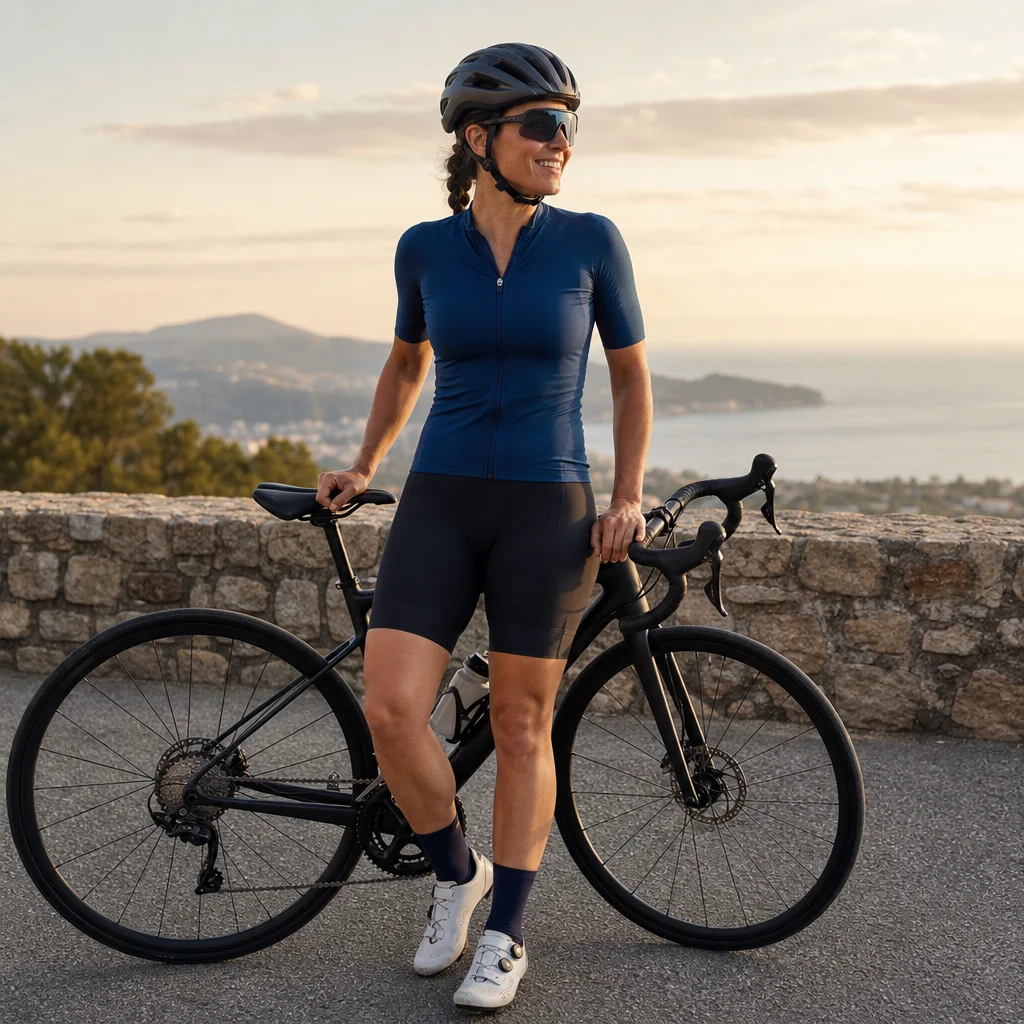
Choosing a training method can feel like choosing between four different versions of the truth. Heart rate responds to your effort, power measures what you produce, speed shows how quickly you’re moving, and feel reflects your overall sense of strain. Each is useful, but each can also lead you astray.
The best choice usually isn’t the most expensive or technologically advanced option. It’s the method you can use consistently, interpret sensibly, and afford without turning every ride into a data project.
What each training guide actually measures
Before comparing the options, separate the measurement from the conclusion you draw from it.
- Heart rate measures your cardiovascular response.
- Power measures your effort at the pedals.
- Speed measures your movement relative to the road.
- Feel measures how hard the effort seems to you.
None of these is a perfect, direct measurement of fitness. They answer slightly different questions, which is why combining two or more can be more useful than relying on one alone.
Heart rate: affordable and useful for steady training
Heart rate is often the most accessible structured-training tool. Many riders already have a compatible watch or cycling computer, and a heart-rate monitor can add useful information without the cost of a power meter.
It works particularly well for:
- Easy endurance rides
- Steady tempo efforts
- Controlling the intensity of longer sessions
- Learning how your body responds to different workloads
Heart rate is a delayed response. If you start a hard interval, your heart rate may take time to rise, so it can be a poor guide for short efforts. It can also drift upward during a long ride even when your power or speed remains steady.
Heat, dehydration, poor sleep, stress, illness, caffeine, and accumulated fatigue can all affect heart rate. The same effort may produce noticeably different readings on different days. That doesn’t make the metric useless; it means you should interpret it alongside the conditions.
When heart rate is the sensible choice
Heart rate is a strong starting point if you’re building consistency, riding mostly outdoors, and want guidance for easy and moderate efforts. It’s also useful when your main goal is avoiding the common mistake of riding every session too hard.
For short, intense intervals, use the effort target and interval duration as the primary guide, with heart rate as a secondary check. Your heart rate may still be climbing after the interval is nearly over.
Power: precise, responsive, and more demanding
Power meters estimate the rate at which you’re producing work, usually in watts. Unlike speed, power remains useful when you’re climbing, riding into a headwind, or traveling on a rough surface. Unlike heart rate, it responds quickly when your effort changes.
Power is especially valuable for:
- Structured intervals
- Pacing climbs and time trials
- Comparing efforts across different routes
- Tracking training load with a consistent reference
- Riders who enjoy detailed analysis
The trade-off is cost and complexity. A power-based approach may require a compatible power meter, head unit or watch, software, and time spent learning how to set appropriate targets. Equipment may also need charging, calibration, firmware updates, or occasional troubleshooting.
Power isn't a direct measure of how much training stress your whole body is experiencing. You can produce a similar number of watts while feeling very different because of heat, fatigue, terrain, or a lack of recovery. A power target can also encourage you to force an interval when your body is signaling that something is wrong.
When power is worth the investment
Power makes the most sense when you want repeatable, structured training and will actually use the information. It can be a good investment for riders preparing for specific performance goals, following a detailed plan, or comparing indoor and outdoor efforts.
It may be unnecessary if you mainly ride for general fitness, social time, or enjoyment. You can make substantial progress with regular riding, sensible pacing, and perceived effort.
Speed: easy to see, easy to misread
Speed is intuitive. You can glance at it and immediately know how fast you’re traveling. That makes it motivating and useful for navigation, route planning, and observing progress on a familiar stretch of road.
As a training guide, however, speed is highly dependent on outside conditions. Wind, hills, road surface, traffic, temperature, tire pressure, drafting, and the weight of your equipment all affect it. A slower ride may involve more effort than a faster one.
Speed works best when the circumstances are reasonably comparable. For example, you might use average speed on a familiar loop as a rough performance marker, provided you also consider the wind, temperature, stops, and route conditions.
The common speed mistake
The most common error is treating a speed target as an effort target. Trying to maintain a particular speed into a strong headwind can turn an intended endurance ride into a hard session. On the return leg, the same speed may require very little effort with the wind behind you.
Use speed to describe what happened. Use heart rate, power, or feel to decide how hard you should ride.
Feel: free, immediate, and worth developing
Training by feel means judging your effort through breathing, muscle sensation, concentration, and overall strain. It may be called perceived exertion or effort-based training. You don’t need a device, subscription, or special equipment, and the feedback is immediate.
Feel is useful for:
- Easy recovery rides
- Long rides where conditions change frequently
- Short efforts that are too brief for heart rate to respond
- Riders who prefer a low-tech approach
- Adjusting a planned workout to match fatigue or weather
The weakness is that feel can be influenced by mood, motivation, excitement, group dynamics, and inexperience. A beginner may not yet recognize the difference between controlled discomfort and an effort that is too hard to sustain.
You can make perceived effort more consistent by using simple anchors:
- Easy: You can speak in full sentences and finish feeling as though you could continue.
- Moderate: Conversation is possible but less comfortable, and you’re aware of your breathing.
- Hard but controlled: You can manage only short phrases, but the effort remains deliberate rather than desperate.
- Very hard: Speaking is difficult, and you can sustain the effort only briefly.
These descriptions aren’t laboratory measurements. They’re practical guardrails for making better decisions on the road.
Which method costs the least?
The cost of a training method includes more than the initial purchase. Consider equipment, replacement, compatibility, setup time, and how likely you are to keep using it.
| Method | Equipment cost | Best strength | Main limitation |
|---|---|---|---|
| Feel | Minimal | Works anywhere and responds immediately | Requires practice and honest judgment |
| Speed | Usually already available | Simple feedback on familiar routes | Strongly affected by conditions |
| Heart rate | Low to moderate | Good for steady intensity control | Delayed and affected by body and environment |
| Power | Moderate to high | Consistent guidance for structured efforts | Higher cost and more data management |
Prices and compatibility vary by device, brand, and region. You don’t need to buy the most advanced equipment to train effectively. Start with the least expensive method that answers your actual question.
Check your training setup before buying: Confirm that the sensor, cycling computer, watch, phone app, and training platform you plan to use are currently compatible. Also check the manufacturer’s current instructions for fitting, charging, pairing, calibration, and data recording rather than assuming that every component works together.
A practical way to choose
Choose feel if consistency matters more than data
Start with feel if you’re new to structured training, ride varied routes, or want to keep cycling uncomplicated. You can still follow a plan using time and effort descriptions, such as 45 minutes easy or six one-minute hard efforts with easy recovery between them.
This approach is also valuable when equipment fails. Developing your judgment means you’re not helpless when a battery dies or a reading looks strange.
Choose heart rate for affordable structure
Heart rate is a sensible middle ground for many recreational riders. It provides more feedback than speed without requiring a power meter. It’s particularly useful for keeping easy rides easy and longer efforts controlled.
Avoid treating a single number as a permanent truth. Your zones may need to be established using an appropriate test or professional guidance, and your response will vary with conditions. A broad effort range is often more useful than chasing an exact reading.
Choose power for repeatable performance work
Power is the strongest option when you care about precise interval execution and want to compare efforts across different terrain and weather. It can help you pace a climb or hold a controlled effort even when speed changes dramatically.
Before buying, ask whether you enjoy reviewing data and whether your goals justify the expense. If you won’t use the numbers to change your training decisions, the extra precision may not provide much practical value.
Use speed as a supporting metric
Speed is best treated as context, motivation, or a route-specific measure rather than your only training guide. Compare it on the same route under similar conditions, and note wind and stops before deciding that you’re fitter or less fit.
Why combining methods works
You don’t have to choose only one metric. A simple combination often provides a more complete picture:
- Power plus heart rate: Shows both the work you’re producing and how your body is responding.
- Heart rate plus feel: Helps you notice when fatigue, heat, or illness is affecting your normal response.
- Power plus feel: Keeps precise targets from overriding important body signals.
- Speed plus feel: Adds context to familiar routes without making speed the boss of the ride.
Suppose you’re riding a steady endurance session. Power may remain stable while heart rate gradually rises and the effort begins to feel harder. That combination suggests you may need to ease off, drink, cool down, or end the session rather than forcing the original target.
Likewise, if your heart rate looks unusually high and the same pace feels difficult, the data and your perception are telling a consistent story. If one reading looks strange while everything else feels normal, check the sensor and conditions before changing your entire plan.
Mistakes to avoid
Chasing speed in every session
Fast isn't the same as effective. Easy rides support recovery and endurance, while hard sessions need space between them. Let the purpose of the ride determine the effort.
Treating zones as exact borders
A reading of one number below or above a zone boundary doesn’t magically change the physiological effect of the ride. Use ranges, trends, and the intended effort rather than obsessing over tiny differences.
Letting equipment replace judgment
A device can record a problem without explaining it. Fatigue, heat, poor fueling, illness, and a bad sensor can all produce misleading numbers. Your body and the riding conditions remain part of the information.
Buying before defining the goal
Decide what you want to improve first. If the goal is riding longer, feel and heart rate may be enough. If it’s improving repeatable interval performance, power may offer more value. If it’s simply enjoying familiar routes, speed can remain a useful extra.
A simple decision checklist
Choose the method that best matches these answers:
- Do you want the lowest-cost approach? Start with feel, then add speed if your current device records it.
- Do you need help controlling steady effort? Consider heart rate.
- Do you want precise, repeatable intervals? Consider power if the cost and setup are reasonable.
- Do you ride in changing weather and terrain? Don’t rely on speed alone.
- Do you dislike data analysis? Use feel or heart rate and keep the system simple.
- Are you tired, unwell, overheated, or unusually breathless? Reduce the effort or stop rather than trying to satisfy a target.
For most beginner and intermediate riders, the best progression isn't from “basic” to “professional” as quickly as possible. It’s learning to use feel first, adding heart rate or power when a specific training question justifies it, and treating speed as useful context. The method you understand and use consistently will usually serve you better than the method with the most impressive numbers.