The Best Way to Start Cycling Again After a Winter Break
After a winter break, the smartest priorities are a short, comfortable ride, sensible clothing, and a route that makes turning back easy. I’ll help you rebuild the habit without overpacking, overtraining, or expecting your first ride to feel like last autumn’s.
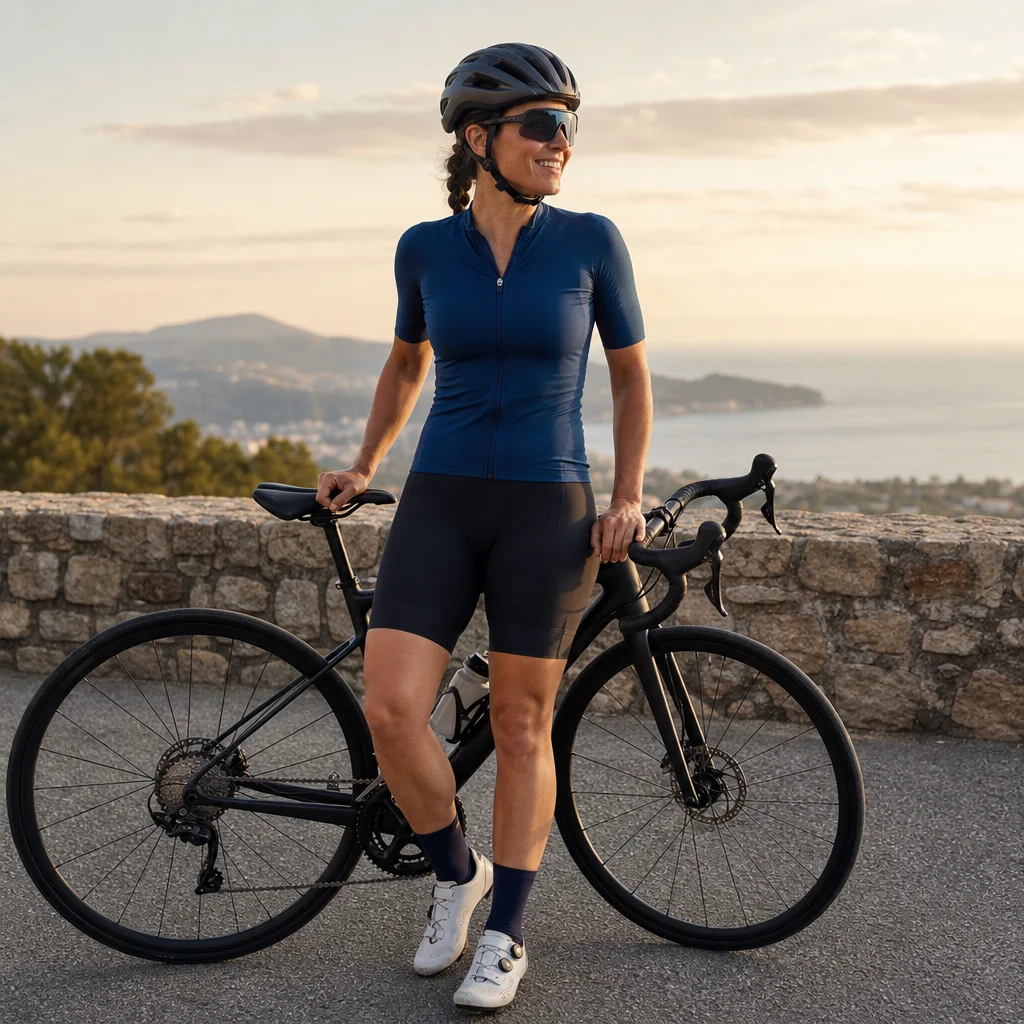
The best way to start cycling again after a winter break is to make the first few rides easy enough that you want to repeat them. You don’t need a new training plan, a full wardrobe, or a heroic weekend distance. You need a reliable bike, a manageable route, and realistic expectations.
A minimalist return works because it removes the decisions that often stop you from riding. Start with the basics, keep the effort comfortable, and add distance only when your body and schedule are ready.
Start with a simple bike and safety check
Before planning your first ride, give the bike a quick once-over. A few minutes of preparation can prevent an avoidable mechanical problem several miles from home.
Check:
- Tire pressure and visible damage
- Brake operation and pad wear
- Chain condition and lubrication
- Wheel security
- Saddle and handlebar position
- Front and rear lights if you may ride near dusk or in low-visibility conditions
You don’t need to perform a full workshop service if the bike was stored in good condition. However, a bike that has been sitting for months may have lost tire pressure, developed a dry chain, or picked up a problem that wasn’t obvious at the end of the previous season.
Take a short test ride near home before committing to a longer route. Shift through the gears, apply the brakes gradually, and listen for unusual noises. If the bike feels unsafe or a problem isn’t straightforward to fix, have it checked before your return ride.
Check the day’s riding conditions: Before you leave, review the forecast, daylight, wind, precipitation, and any remaining ice or snow on your route. Dress and plan for the conditions you’ll actually encounter, not the season shown on the calendar.
Choose a route that makes returning easy
Your first route should be convenient rather than impressive. A familiar loop with easy exits is usually better than a scenic destination that leaves you committed to a long ride.
Look for:
- A route you can shorten without much difficulty
- Low-traffic roads or a bike path you already know
- Limited climbing
- Places where you can stop for water or shelter
- A start and finish close to home
Avoid making the first ride a test of your old fitness. Long, exposed roads and sustained climbs can turn a gentle restart into an uncomfortable effort, especially when cold temperatures make your muscles feel less responsive.
A loop of 30 to 60 minutes is enough for many returning cyclists. If you’ve been active in other ways during winter, you may be able to ride longer, but there’s little benefit in proving that immediately. The goal is to finish with energy left and a clear idea of when you’d like to ride again.
Keep the first rides shorter than you think
Cycling often feels easy while you’re moving, then makes its demands known later. Your cardiovascular fitness may return faster than your comfort on the saddle, tolerance for riding position, or ability to handle repeated efforts.
For the first week, consider this simple progression:
Ride one: reintroduce the habit
Ride for 30 to 45 minutes at a conversational pace. You should be able to speak in complete sentences without stopping to catch your breath.
Use mostly easy gears and avoid testing your speed. Pay attention to how your hands, neck, lower back, knees, and seat contact feel. Mild unfamiliarity is normal; sharp or worsening pain is a reason to stop and reassess.
Ride two: repeat before adding
If you feel reasonably recovered, repeat a similar duration a few days later. Repeating a manageable ride gives your body another chance to adapt without adding a new stress at the same time.
If the first ride left you unusually tired or sore, shorten the second ride. Progress isn’t cancelled by making a session easier.
Ride three: add a small amount
You can add 10 to 20 minutes, or include a few gentle hills, when the earlier rides feel controlled. Change one variable at a time. Increasing duration, speed, climbing, and frequency together makes it difficult to tell what caused a problem.
After that, add time gradually rather than chasing a weekly distance target. A useful rule is to increase only when your current riding feels routine, but there’s no need to follow a rigid percentage. Your work schedule, weather, age, previous fitness, and winter activity all affect how quickly you can build back up.
Dress for the ride, not the season
Early spring and late winter conditions can change quickly. The temperature at the door may not reflect the wind, shade, hills, or return trip.
For a short ride, you can usually keep clothing simple:
- A moisture-managing base layer
- A warm jersey or insulating mid-layer
- A wind-resistant outer layer when conditions call for it
- Comfortable cycling shorts or suitable athletic bottoms
- Full-finger gloves if your hands get cold
- Socks and shoes that keep your feet warm without making them tight
Layers are more useful than one heavy garment because you can adjust as your effort changes. A compact vest or shell can also be more practical than carrying several bulky pieces.
Pay particular attention to your extremities. Cold hands and feet can make a short ride miserable, even when your core feels comfortable. On the other hand, overheating can leave you damp and chilled when you slow down.
Don’t buy a complete new kit before you know what you need. Start with the clothing you already own, then replace the one item that is genuinely limiting your comfort. That might be gloves, a wind layer, or a way to protect your eyes from cold air.
Use effort as your main guide
After months away, your old pace is a poor reference point. Wind, cold, heavier clothing, and a slightly different route can all affect speed. For now, effort is more useful than the number on your cycling computer.
Keep most early riding at an easy intensity. You should feel like you’re exercising, but not racing the route. If you find yourself breathing hard on every small rise, shift earlier, slow down, or take a brief break.
It’s also normal for the first ride to feel awkward. Your pedaling rhythm may seem less smooth, and your preferred position may feel unfamiliar. Those sensations usually improve with regular, low-pressure riding. They don’t mean you need a more complicated training program.
Avoid judging the entire season by one outing. A cold start, poor sleep, a strong headwind, or an uncomfortable saddle can make a ride feel worse than your underlying fitness deserves.
Keep your return kit minimal
You need less equipment than you may think for a short ride close to home. Carry the items that address the most likely problems:
- Phone and identification
- Water
- A spare tube or tubeless repair supplies suited to your bike
- A pump or inflator
- Tire levers if you use a tube
- A small amount of food for a longer outing
- A light layer if conditions may change
Make sure you know how to use your flat-repair equipment before you leave. A compact kit is only useful if it matches your tires and you can operate it without guesswork.
For the first few rides, you can leave out extras that don’t solve a realistic problem. You probably don’t need a large saddlebag, multiple nutrition products, or a full change of clothes for a short loop near home. Add equipment as your routes become longer, more remote, or more weather-dependent.
Notice the signals that call for a slower return
Some discomfort is simply the result of using your body in a familiar way after time away. Persistent or sharp pain deserves more attention.
Ease off or stop if you experience chest pain, severe shortness of breath, dizziness, unusual weakness, or pain that changes how you pedal. For a recurring knee, back, hand, or saddle problem, check your position and consider professional medical or bike-fitting advice rather than repeatedly riding through it.
Recovery matters too. If you’re still unusually fatigued the next day, repeat the same duration or take more rest before increasing the load. Your return should fit into your life, not turn every ride into another obligation.
A sensible first-week checklist
Before your first ride:
- Check the tires, brakes, chain, wheels, and lights.
- Choose a familiar route with easy shortcuts.
- Dress in layers and account for wind and changing temperatures.
- Pack water, a repair kit, communication, and identification.
- Set a time goal rather than a speed goal.
After the ride:
- Note what felt comfortable and what didn’t.
- Check whether any bike noises or shifting problems appeared.
- Give yourself enough recovery before riding again.
- Repeat or slightly shorten the route before adding significant distance.
The most reliable restart is deliberately modest. Ride close to home, keep the effort easy, carry only what you need, and let consistency rebuild your confidence. Once short rides feel ordinary again, longer routes and harder efforts will have a much better foundation.